Monthly Archives: September 2025

Food and Herbs that contain Vanadium

Vanadium is a trace mineral found in small amounts in various herbs, spices, and other plant-based foods. Research shows that certain plants, including wild thyme, are efficient accumulators of this element.

Herbs and spices that contain vanadium include:

Parsley
Dill
Black pepper
Wild thyme
Nettle (Urtica dioica)
St. John’s wort (Hypericum perforatum)
Valerian (Valeriana officinalis)

Other plant-based food sources of vanadium include:

Mushrooms
Grains and grain products, such as whole wheat, oats, and buckwheat
Vegetables, including green beans, corn, carrots, cabbage, and spinach
Certain vegetable oils, like sunflower and olive oil
Legumes, including chickpeas, soybeans, and lentils

Important considerations

Trace amounts: While vanadium is present in these plants, it is in very low, trace amounts.

Soil content: The exact concentration can vary based on the mineral content of the soil where the plant was grown.

Insulin-like properties: Vanadium has been studied for its potential insulin-mimetic properties, but high doses can have toxic effects.

Consult a doctor: It is important to consult a healthcare provider before using any supplements containing vanadium.

Vanadium shows potential medicinal value as a treatment for diabetes, cancer, and viral infections, but it is also toxic at high doses. While animal and lab studies are promising, human clinical trials have had mixed results, and significant side effects have been reported. For this reason, vanadium compounds are not currently a standard medical treatment.

Antidiabetic effects
The most studied medicinal application of vanadium is its potential use in treating diabetes by mimicking or enhancing the effects of insulin.

Mechanism of action: Vanadium acts as an insulin mimetic by inhibiting protein tyrosine phosphatase 1B (PTP1B), an enzyme that negatively regulates insulin receptors. This inhibition enhances the insulin signaling pathway, leading to increased glucose uptake by cells.

Animal studies: In rodent models, vanadium compounds have been shown to lower blood glucose levels, improve insulin sensitivity, and promote beta-cell proliferation. Organic vanadium complexes generally demonstrate higher efficacy and lower toxicity than inorganic salts.

Human studies: Small clinical trials in people with type 1 and type 2 diabetes have shown that vanadium supplementation, particularly vanadyl sulfate, can improve glycemic control. However, these studies are often limited by small sample sizes and show high rates of gastrointestinal side effects at the high doses required for a therapeutic effect.

Anticancer activity
Preliminary research suggests that some vanadium compounds may have antineoplastic (anticancer) properties.

Mechanisms: Vanadium compounds can induce apoptosis (programmed cell death) in cancer cells and inhibit enzymes essential for tumor growth, though the specific mechanisms are still under investigation.

Chemosensitization: Research has also explored using vanadium compounds as chemosensitizing agents to enhance the effectiveness of traditional chemotherapy drugs.

Limited evidence: Despite promising in vitro and animal studies, human clinical evidence for vanadium’s use in cancer therapy is scarce and lacks high-quality research.

Antiviral properties
Some vanadium compounds have demonstrated antiviral properties in laboratory studies, including against RNA viruses like SARS-CoV-2.

Mechanism: Researchers have explored vanadium’s potential to target key viral proteins and interfere with viral entry and replication.

Clinical context: There is currently no clinical evidence to support the use of vanadium for treating COVID-19 or any other viral infection in humans.

Other potential uses
Vanadium has also been investigated for a variety of other conditions, with varying levels of evidence. These include:

High cholesterol and atherosclerosis: Some studies suggest that vanadium may have a lipid-lowering effect and potentially help with atherosclerosis.

Inflammatory and autoimmune disorders: Vanadium has demonstrated anti-inflammatory effects in some models and has been studied in connection with conditions like rheumatoid arthritis and systemic lupus erythematosus.

Neurological disorders: Some research links vanadium exposure to neurobehavioral and cognitive changes. However, different studies present contradictory results, showing both potential benefits (such as improved spatial memory in some animal models) and harms (such as neurotoxicity at higher doses).

Toxicity and safety concerns
The medical use of vanadium is complicated by its narrow therapeutic window, meaning the effective dose is close to the toxic dose.

Side effects: Common side effects at therapeutic doses include gastrointestinal issues such as abdominal discomfort, nausea, cramps, and diarrhea.

Organ damage: High and prolonged intake can lead to kidney and liver damage.

Bioavailability: The low and inconsistent absorption of vanadium from dietary supplements can make it difficult to achieve a safe and effective dose.

Regulation: Currently, there is no good scientific evidence to support the routine use of vanadium for any medical condition, and supplements are not regulated for safety or efficacy by agencies like the FDA.

Blood Health

Improving blood health and circulation can be supported by certain herbs, minerals, vitamins, and essential oils. Many of these natural substances contain antioxidants, anti-inflammatory compounds, and other properties that benefit cardiovascular function. However, it is crucial to consult a healthcare provider before using supplements or essential oils, as they can interact with medications or have adverse effects, particularly if you have a bleeding disorder or are on blood-thinning medication.

Essential herbs and foods for blood health

Garlic: Contains sulfur compounds like allicin that can help relax blood vessels and may modestly lower blood pressure. It also has antithrombotic (anti-clotting) effects.

Turmeric: The active compound, curcumin, has anti-inflammatory and anticoagulant properties, which can help improve circulation and may prevent blood clots.

Ginger: Possesses anti-inflammatory properties that may help prevent blood clotting by reducing platelet aggregation. It is also known to help lower blood pressure.

Cayenne pepper: Contains capsaicin, which promotes vasodilation (the expansion of blood vessels) and can help lower blood pressure.

Ginkgo biloba: Used traditionally for blood disorders and memory problems, ginkgo contains compounds that may block blood clotting.

Cinnamon: A warming spice that may improve blood flow and act as a mild anticoagulant, though more human research is needed. Excessive intake of the coumarin-rich cassia variety can cause liver damage.

Hawthorn: A traditional heart tonic that contains flavonoid antioxidants, which may dilate blood vessels and support healthy circulation.

Fatty fish: Rich in omega-3 fatty acids, fish like salmon and mackerel can lower blood pressure, reduce inflammation, and inhibit platelet clumping.

Pomegranates: High in polyphenol antioxidants and nitrates, pomegranates are potent vasodilators that improve blood flow and oxygenation.

Leafy greens: Vegetables like spinach and kale are rich in nitrates and can be converted to nitric oxide in the body, which helps relax and widen blood vessels. They are also high in vitamin K, which is essential for proper blood clotting.

Key vitamins and minerals

Iron: Essential for producing hemoglobin, the protein in red blood cells that carries oxygen. Iron deficiency can lead to anemia. Good sources include red meat, poultry, fish, beans, and fortified cereals.

Folate (Vitamin B9) and Vitamin B12: Both are critical for red blood cell synthesis. Deficiency can lead to a condition called macrocytic anemia, which is characterized by larger, less-efficient red blood cells.

Vitamin K: A fat-soluble vitamin necessary for blood coagulation (clotting). It helps activate specific proteins involved in the clotting process. Found in leafy greens, broccoli, and fermented foods.

Vitamin E: This antioxidant can help support vascular health by preventing the oxidation of LDL cholesterol, which can contribute to plaque formation. High doses may act as a blood thinner and should be used with caution, especially with blood-thinning medication.

Vitamin C: A powerful antioxidant that is critical for collagen production, which helps maintain the integrity of blood vessels. It also helps the body absorb iron.

Calcium: A mineral that, in conjunction with vitamin K, plays a key role in the blood clotting cascade. It also helps regulate blood pressure.

Copper: Helps the body absorb and use iron properly, assisting in red blood cell formation.

Magnesium: Assists in relaxing blood vessels, which helps regulate blood pressure and is vital for healthy cardiac function.

Zinc: A cofactor for enzymes involved in hemoglobin synthesis and immune function.

Essential oils for circulation

Essential oils are generally recommended for topical use with a carrier oil or for aromatherapy, not for ingestion, unless under professional guidance.

Cypress essential oil: Traditionally used to improve lymphatic drainage and support circulation.

Rosemary essential oil: Rich in antioxidants and compounds that can help boost circulation and reduce inflammation.

Ginger essential oil: Known for its warming and anti-inflammatory properties, it can be massaged into the skin to help improve blood flow.
Black pepper essential oil: When massaged into the skin, it helps dilate blood vessels and improve circulation.

Lemon essential oil: May support lymphatic drainage and improve overall circulation.

Disclaimer: This information is for educational purposes only. Always consult a healthcare provider before starting any new supplement or treatment regimen. Do not use this information as a replacement for professional medical advice, diagnosis, or treatment

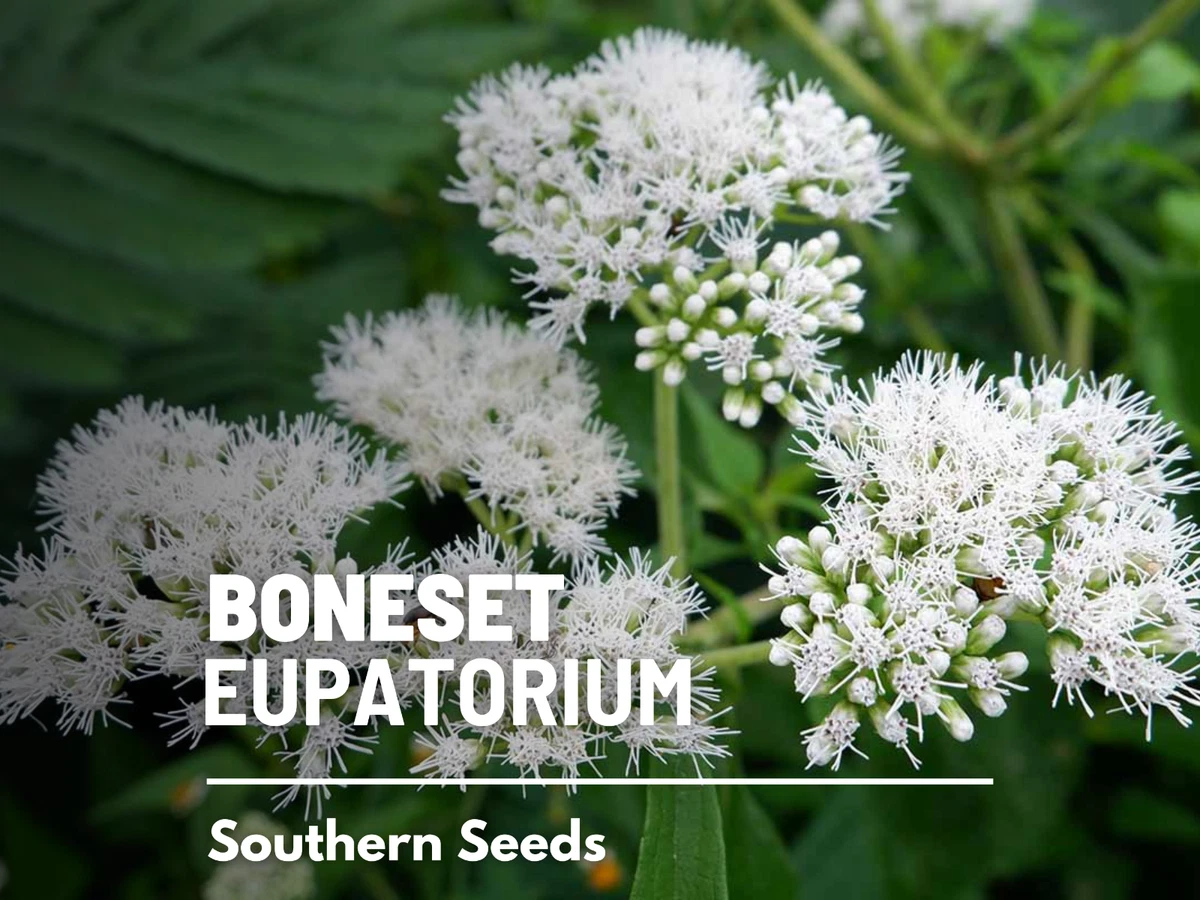
Boneset Herb

Boneset (Eupatorium perfoliatum) has a long history of traditional use for treating symptoms associated with fevers, colds, and flu, but it should be approached with caution due to safety concerns. The name boneset comes from its use in treating “breakbone fever,” an old name for dengue fever, which caused severe muscle and bone aches. While traditional applications focus on stimulating the immune system and promoting sweating, modern scientific evidence is limited and recommends careful use.

Disclaimer: Due to potential toxicity and the presence of liver-damaging alkaloids, Boneset is not recommended for internal use without expert medical supervision.

Traditional and historical uses
Historically, boneset was used by Native Americans and early American settlers for a variety of conditions, often prepared as a hot, bitter tea.

Fever and flu: As a diaphoretic, it was used to induce sweating to “break” fevers and alleviate the aches and pains associated with influenza and dengue fever.

Respiratory ailments: It was used as an expectorant to help loosen mucus and clear congestion in the chest and sinuses.

Immune stimulation: Early herbalists used boneset as an immune stimulant to help the body fight off minor viral and bacterial infections.

Digestive aid: Its bitter properties were traditionally thought to stimulate digestion, though large doses were known to cause vomiting.

Modern scientific perspective
Scientific evidence for the safety and effectiveness of boneset is limited, and most studies are either lab-based (in vitro) or preliminary.

Antiviral and immune properties: Some in vitro studies suggest that boneset may stimulate immune cell function and inhibit influenza viruses by preventing them from attaching to host cells.

Anti-inflammatory effects: Preclinical studies indicate that certain compounds in boneset may have anti-inflammatory effects.

Lack of clinical evidence: There are insufficient clinical trials to confirm the effectiveness of boneset for treating colds, flu, or other conditions in humans.

Safety concerns and precautions
Due to its chemical composition, boneset carries significant health risks and should not be used without medical consultation.

Liver damage: Boneset contains potentially toxic compounds called pyrrolizidine alkaloids (PAs). While some sources claim the levels are minimal in Eupatorium perfoliatum, others warn that PAs can cause serious liver damage, especially with long-term use.

Gastrointestinal issues: Ingesting large doses can cause severe diarrhea and vomiting.

Allergic reactions: Individuals with allergies to plants in the Asteraceae/Compositae family, such as ragweed, daisies, and marigolds, may experience an allergic reaction.

Pregnancy and breastfeeding: Boneset is considered possibly unsafe for pregnant or breastfeeding women and should be avoided.

Drug interactions: Boneset may interact with medications broken down by the liver. Consultation with a healthcare provider is essential.